
As winter sets in, construction sites face a unique set of challenges. Plunging temperatures, reduced daylight, and harsh weather can impact everything from worker safety to equipment performance. Prioritising the well-being of your team is not just an ethical responsibility; it’s a legal one. Ensuring your worksite is properly equipped to handle the cold is crucial for maintaining productivity and, most importantly, keeping everyone safe.
This guide will walk you through the essential steps to winter-proof your worksite. We will cover the risks associated with cold weather, from health hazards like hypothermia to operational issues like frozen equipment. You’ll find practical solutions, including the use of heated welfare units and appropriate PPE, to ensure your site remains a safe and efficient environment throughout the winter months.
The Risks of Working in Winter
Winter conditions introduce significant risks that can disrupt operations and endanger workers. Understanding these challenges is the first step toward effective prevention.
Health and Safety Hazards
The most immediate danger is the cold itself. Prolonged exposure can lead to serious health issues:
- Hypothermia: This occurs when the body loses heat faster than it can produce it, causing a dangerously low body temperature. Early signs include shivering, confusion, and fatigue, which can impair judgement and physical coordination.
- Frostbite: This is an injury caused by the freezing of the skin and underlying tissues. Fingers, toes, noses, and ears are most susceptible. In severe cases, it can lead to permanent damage and amputation.
- Slips, Trips, and Falls: Ice, snow, and wet conditions dramatically increase the risk of accidents. Poor visibility from shorter daylight hours and adverse weather like fog or blizzards further heighten this danger.
Operational and Equipment Challenges
Winter doesn’t just affect people; it takes a toll on equipment and materials, too.
- Frozen Equipment: Machinery and tools can freeze, leading to malfunctions and costly downtime. Fluids like fuel and hydraulic oil can thicken, preventing engines from starting.
- Frozen Ground: Hard, frozen ground makes excavation and groundwork difficult, if not impossible, causing significant delays to project timelines.
- Material Damage: Certain materials, such as concrete, can be damaged if they freeze during the curing process.
Essential Solutions for a Winter-Proof Worksite
Proper planning and the right facilities are key to mitigating winter risks. Providing warm, dry spaces is fundamental to worker welfare and is mandated by HSE regulations.
Heated Welfare Units
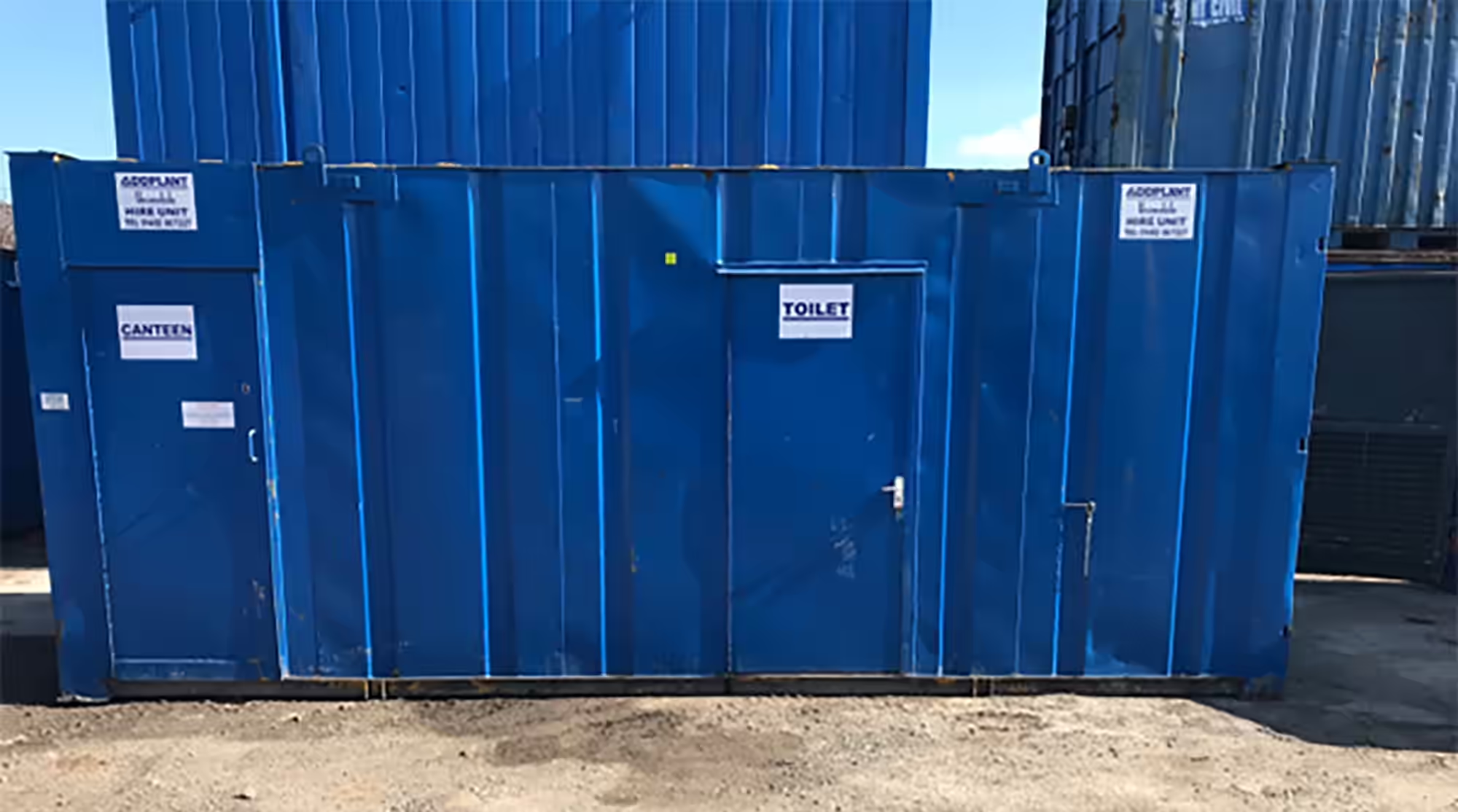
Welfare units are the cornerstone of a safe winter worksite. These self-contained facilities provide a warm refuge from the cold, allowing workers to rest, eat, and dry their clothes. Modern welfare units are designed for this exact purpose.
Mobile welfare units are an excellent solution for projects that require flexibility, such as infrastructure work. These can be easily towed and set up in minutes, providing instant, HSE-compliant facilities. Key features to look for include:
- A fully equipped canteen area with heating and facilities for preparing hot food and drinks.
- A dedicated drying room to ensure workers can dry wet clothing and prevent body heat loss.
- Hot and cold running water for hygiene.
- Secure, anti-vandal features to protect the unit and its contents.
For longer-term projects, static welfare units offer a more spacious solution. These larger cabins can accommodate bigger teams and often come with onboard generators, large water supplies, and waste holding tanks, making them ideal for sites without mains services.
Maintaining Hygiene with Frost-Proof Sanitation
Maintaining hygiene is crucial year-round, but winter presents extra challenges. Frozen pipes and inaccessible facilities are common issues.
- Static Toilet Blocks: For a long-term solution, static toilet blocks can be connected to a static effluent tank or mains sewage if available. It's essential to ensure all plumbing is adequately insulated to prevent freezing.
- Servicing: Regular replenishment of water and removal of waste is vital. Partnering with a supplier who has an in-house fleet of tankers ensures this can be handled efficiently, even in harsh weather.
Practical Safety Measures for Your Team
Beyond providing the right site accommodation, implementing practical safety protocols is essential for keeping your team protected.
Provide Appropriate Personal Protective Equipment (PPE)
Standard PPE is not enough for winter work. You must provide gear specifically designed for cold and wet conditions:
- Layered Clothing: Several layers of clothing trap air, providing better insulation than a single thick layer. Include a moisture-wicking base layer, an insulating mid-layer (like fleece), and a waterproof, windproof outer layer.
- Insulated Gloves and Footwear: Hands and feet are most vulnerable to frostbite. Provide insulated, waterproof gloves and safety boots.
- Head and Face Protection: A significant amount of body heat is lost through the head. Hard hat liners, balaclavas, and thermal hats are essential.
Adapt Working Practices
Adjusting schedules and tasks can make a big difference in worker safety and well-being.
- Regular Breaks: Mandate frequent breaks in a heated welfare unit to allow workers to warm up.
- Provide Hot Drinks: Access to hot beverages like tea, coffee, or soup helps employees stay warm and hydrated.
- Flexible Scheduling: Where possible, schedule outdoor work for the warmest parts of the day and avoid working during extreme weather events.
- Emergency Protocols: Ensure your team knows the signs of cold-related illnesses like hypothermia and frostbite. Establish clear emergency procedures and ensure first aid kits are well-stocked and accessible.
Keep the Worksite Clear and Well-Lit
Good housekeeping becomes even more critical in winter.
- Grit and De-ice: Regularly apply grit or salt to walkways and work areas to prevent ice from forming.
- Clear Snow: Keep paths and access routes clear of snow to prevent trips and ensure safe movement.
- Site Lighting: With fewer daylight hours, adequate lighting is crucial. Tower lighting can illuminate large areas of the site, improving safety and allowing work to continue. Solar options are available for sites without a power source.
Prepare Your Site for Success This Winter
Winter brings undeniable challenges to the construction industry, but they are not insurmountable. By taking a proactive approach to worker welfare and site management, you can ensure your projects continue safely and productively. Investing in high-quality site accommodation and heated welfare units is the most effective way to protect your team from the elements and comply with HSE regulations.
Don’t let the cold compromise your worksite’s safety or efficiency. Explore our comprehensive range of site accommodation options and ensure your team has the warm, dry, and safe facilities they need to thrive this winter.